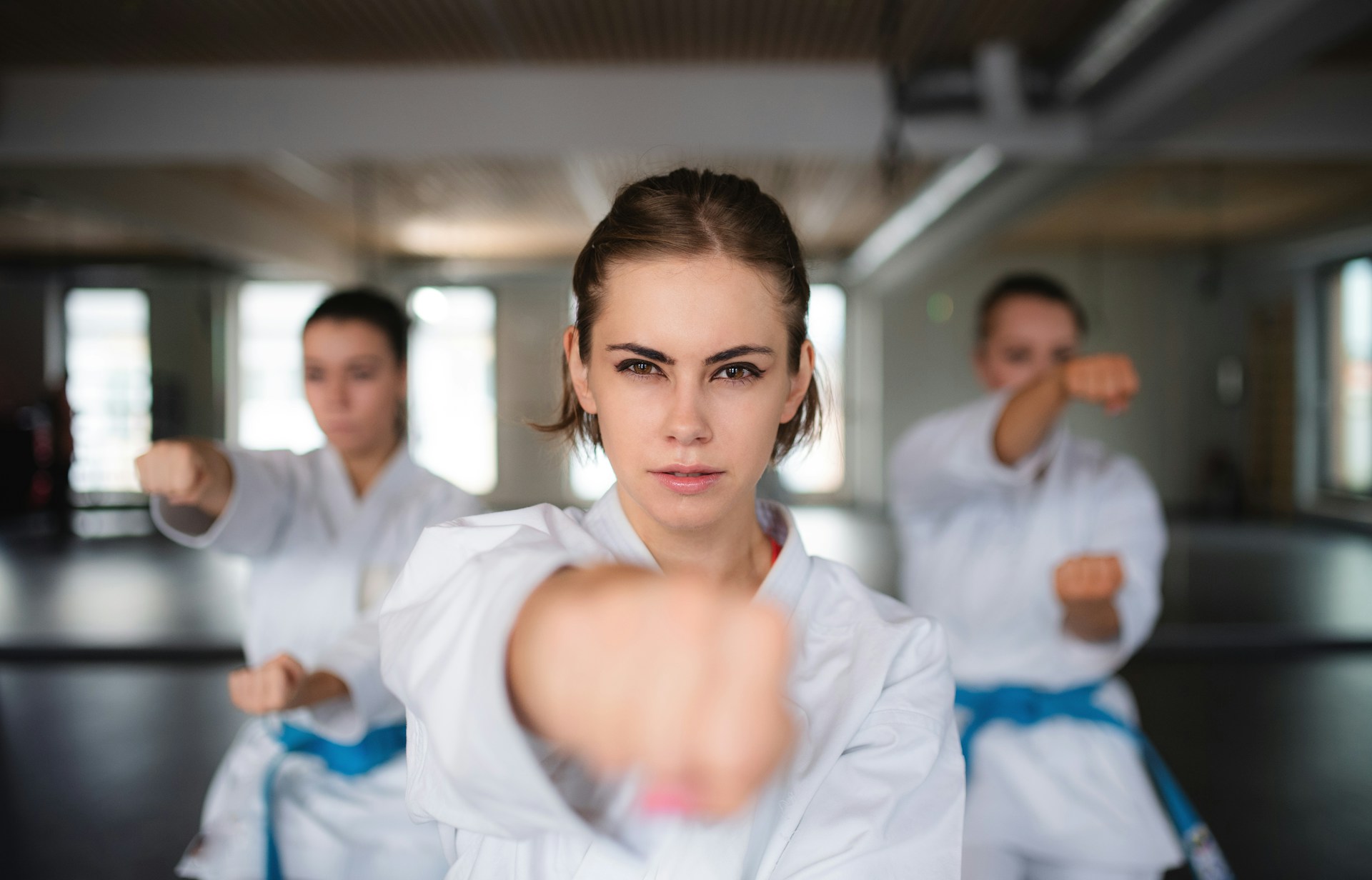
Women everywhere are searching for ways to feel stronger, safer, and more confident in daily life. While many fitness trends come and go, martial arts training continues to stand the test of time. Among these options, Brazilian Jiu-Jitsu stands out because it teaches practical skills that work in real situations. It does not rely on size or brute strength. Instead, it focuses on leverage, timing, and technique. That is why so many women now turn to it as a path toward women’s self-defense training that prepares them for real threats, not imagined ones.
Why Realistic Self-Defense Matters More Than Ever
Personal safety is not just a fear-based topic. It is a real concern that affects how women move through the world. Many avoid walking alone at night or hesitate to travel without company. However, fear should not control daily life. Practical skills can replace fear with awareness and confidence.
Jiu-Jitsu focuses on what often happens in real confrontations. Most physical assaults end up on the ground. Therefore, knowing how to escape from underneath a stronger attacker can make a huge difference. Instead of teaching choreographed moves, instructors train students to respond to resistance. As a result, women learn how to stay calm under pressure. They practice escapes, control positions, and submissions in live drills. This realistic training builds trust in their own ability.
Moreover, Jiu-Jitsu does not depend on striking power. Many women worry that they cannot generate enough force to stop someone bigger. Yet Jiu-Jitsu uses body mechanics and leverage. Even a smaller person can control a larger opponent with proper technique. As a result, women gain skills that truly level the playing field.
Building Strength and Skill at the Same Time
At first glance, Jiu-Jitsu may look intense. However, beginners quickly learn that progress comes one step at a time. Each class teaches specific movements such as hip escapes, guard positions, and transitions. Over time, these small skills connect into a powerful system.
Physically, training improves strength, balance, and flexibility. Women develop stronger core muscles and better coordination. They also improve endurance through drills and sparring. However, the benefits go beyond physical change.
Mentally, Jiu-Jitsu demands focus and problem-solving. During live training, students must think quickly and adapt. If one escape fails, they try another. This constant challenge sharpens the mind. In addition, regular practice teaches discipline and patience. Progress does not happen overnight. Still, each small improvement builds lasting confidence.
Because classes often include partners of different sizes and skill levels, women learn how to adjust to various situations. They stop fearing larger opponents. Instead, they focus on angles and leverage. As confidence grows, daily stress often feels easier to manage.
From Fear to Confidence Through Practical Training
Fear often comes from the unknown. When women do not know how they would respond in a threatening situation, anxiety increases. However, hands-on practice replaces uncertainty with experience. Each training session becomes a controlled test of skill.
During sparring, students face resistance in a safe environment. They learn how it feels when someone tries to pin them down. Then they practice escaping. This repetition builds muscle memory. Therefore, if a real threat appears, their body already knows what to do.
In the second sentence of this paragraph, it is important to highlight the role of grappling techniques for women. These techniques focus on controlling distance, breaking grips, and escaping holds without relying on strikes. Because many real attacks involve grabbing or pushing, this skill set directly addresses common dangers.
Confidence does not mean seeking conflict. Instead, it means walking with awareness and calm energy. Women who train often notice changes in posture and eye contact. They move with purpose. As a result, they may even appear less like easy targets. Criminals often look for vulnerability. Strong body language can discourage them before anything begins.
A Supportive Community That Lifts Women Up
Many women hesitate to join martial arts classes because they fear judgment or intimidation. However, most Jiu-Jitsu gyms build a culture of respect. Instructors understand that beginners need patience and encouragement.
Women-only classes have also grown in popularity. These sessions create a comfortable space to learn and ask questions. However, mixed classes also offer benefits. Training with men of different sizes prepares women for realistic situations. Either way, a supportive team makes a big difference.
Training partners help each other improve. When one woman masters a new move, she shares tips. When someone struggles, teammates offer guidance. This shared growth builds strong bonds. In addition, many gyms host seminars and events that connect women from different schools. These gatherings show that women belong in martial arts spaces.
Over time, the mat becomes more than a training area. It becomes a place of trust and growth. Women celebrate promotions, personal milestones, and hard-earned victories together. This sense of belonging strengthens emotional resilience.
Real Skills for Real-World Situations
Jiu-Jitsu prepares women for the most common types of physical confrontations. Instead of practicing flashy kicks, students drill escapes from wrist grabs, headlocks, and ground pins. These situations reflect real assault patterns.
For example, if an attacker pushes someone to the ground, panic can take over. However, a trained woman knows how to use her legs to create space. She can sweep, escape, or stand back up safely. These movements rely on leverage rather than strength. Therefore, even a smaller woman can reverse a dangerous position.
The second sentence of this paragraph highlights another key idea: female empowerment through martial arts. When women realize they can defend themselves, they stop seeing themselves as helpless. Instead, they view themselves as capable and prepared.
Importantly, Jiu-Jitsu also teaches when to disengage. The goal is not to win a fight. The goal is to get home safely. Students learn to create space and escape quickly. Awareness training often accompanies physical drills. Instructors discuss situational awareness and boundary setting. This combination of mental and physical preparation creates well-rounded readiness.
Taking the First Step Toward Personal Power
Starting something new can feel scary. However, most gyms welcome beginners warmly. Many offer trial classes so women can experience the environment before committing. Comfortable workout clothes usually suffice for the first session. Instructors guide newcomers through basic movements slowly.
Ultimately, Jiu-Jitsu offers more than physical defense. It offers choice. Women gain the option to protect themselves if needed. They gain the option to walk with confidence instead of fear. And perhaps most importantly, they gain the belief that they can handle life’s challenges. Through steady practice and community support, many discover a deep sense of personal safety skills for women that stay with them long after they leave the mat.
Empowering women through Jiu-Jitsu is not about aggression. It is about preparation, resilience, and strength. When women train consistently, they build real skills for real threats. At the same time, they develop confidence that shapes every part of their lives.