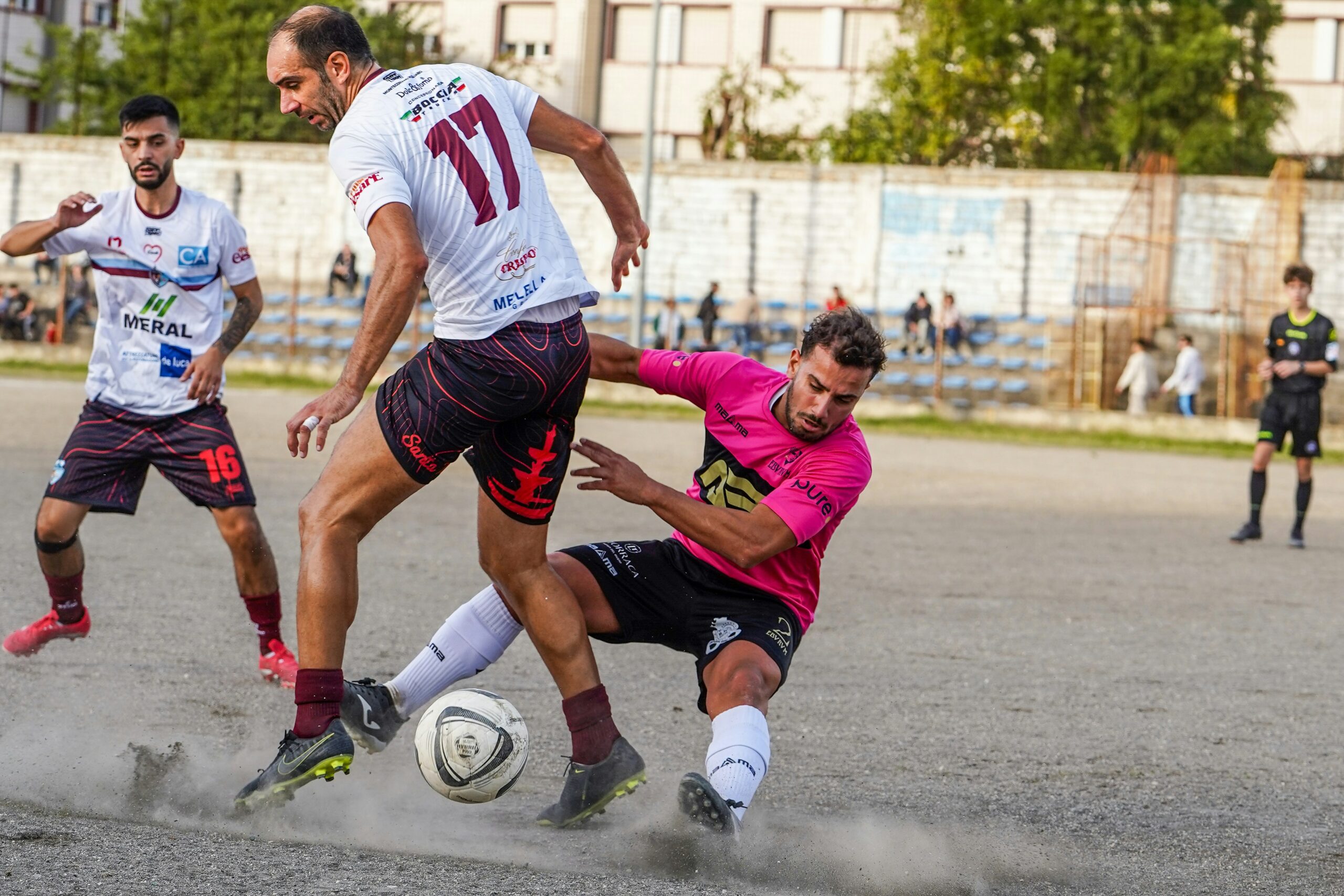
Soccer is more than a sport. It is a global language spoken in packed stadiums, neighborhood streets, and living rooms across continents. From the World Cup to local rivalries, the game carries deep emotional meaning for millions of people. It connects strangers, strengthens communities, and often reflects the political and cultural realities of the nations that embrace it.
Across history, soccer has influenced diplomacy, inspired social movements, and shaped national identity. While players chase goals on the field, fans experience something larger, a shared sense of belonging that transcends borders and differences.
A Universal Language That Connects Cultures
Soccer’s simplicity is one of the main reasons it unites nations. All that is required is a ball and an open space. This accessibility allows children from different economic backgrounds and cultures to participate in the same game. Whether played on the beaches of Brazil, the streets of Lagos, or the parks of Chicago, the rules remain the same. This shared structure creates a universal understanding that bridges linguistic and cultural barriers.
International tournaments amplify this connection. When teams compete in global events, fans from different countries gather in stadiums and public spaces. Despite differences in language or customs, supporters chant, celebrate, and commiserate together. These shared experiences promote empathy and mutual respect, demonstrating that passion for the game can overcome divisions that politics often cannot.
National Pride on the Global Stage
When a national team competes internationally, it represents more than athletic talent. It symbolizes the hopes, struggles, and aspirations of an entire country. Victories are celebrated as national achievements, while defeats are felt collectively. The emotional investment citizens place in their teams reflects how deeply soccer is intertwined with national identity.
In many countries, historic wins have strengthened unity during challenging times. For example, triumphs in major tournaments have lifted national morale during economic hardship or political instability. Fans display flags, wear team colors, and sing national anthems with renewed pride. Soccer becomes a powerful expression of patriotism, offering citizens a moment to celebrate shared identity beyond political differences.
Soccer as a Tool for Political Expression
Soccer and politics have often intersected. Governments have used major tournaments to showcase national strength and project a positive international image. Hosting global events can serve as a statement of progress and influence. At the same time, players and fans have used the sport as a platform to voice political concerns and demand change.
Athletes have taken stands on issues such as racial equality, human rights, and social justice. Their actions, whether through gestures on the field or public statements, have sparked conversations that extend far beyond sports. In some cases, matches have even influenced diplomatic relations between nations. The game can act as both a symbol of unity and a stage for protest, reflecting the complex relationship between sports and governance.
Cultural Identity and Community Belonging
At the local level, soccer clubs often represent specific neighborhoods, regions, or cultural groups. Supporting a club can be a lifelong commitment passed down through generations. These affiliations help shape personal identity and foster a strong sense of belonging within communities. Match days become rituals that bring families and friends together.
For immigrant communities, soccer can preserve cultural heritage while easing integration into new societies. Fans gather to support teams from their countries of origin, sharing food, language, and traditions. At the same time, they participate in the broader soccer culture of their adopted country. This dual connection strengthens multicultural understanding and highlights how the sport supports diverse identities within a unified national framework.
Bridging Social Divides
Soccer has the power to reduce social and economic barriers. In many regions, community programs use the sport to provide opportunities for disadvantaged youth. These initiatives promote teamwork, discipline, and leadership skills. They also create safe spaces where children from different backgrounds can interact and build friendships.
Professional leagues also reflect increasing diversity. Players from various ethnicities, religions, and nationalities compete together on the same teams. Their collaboration sends a powerful message about inclusion. Fans who support these teams often embrace this diversity, recognizing that talent and dedication transcend social divisions—the shared goal of winning fosters unity that can influence broader societal attitudes.
Globalization and Shared Identity
The globalization of soccer has further strengthened its unifying role. International broadcasts allow fans to follow leagues and players from around the world. Social media platforms connect supporters across continents, enabling real-time discussions and celebrations. A goal scored in Europe can spark excitement in Asia, Africa, and the Americas within seconds.
This global reach has created a layered identity for many fans. People may support their local club, their national team, and an international powerhouse simultaneously. These overlapping loyalties illustrate how soccer builds connections at multiple levels. The sport encourages individuals to see themselves as part of both a national community and a global network of fans.
Challenges and Controversies
Despite its unifying power, soccer is not immune to conflict. Rivalries can sometimes fuel hostility, and political tensions may spill into stadiums. Issues such as corruption, discrimination, and inequality have challenged the integrity of the sport. These problems remind us that soccer reflects society, including its imperfections.
However, the global attention the sport receives also creates opportunities for reform. When controversies arise, they often spark widespread debate and demand accountability. Fans, players, and organizations increasingly call for transparency and fairness. In this way, soccer can catalyze positive change, encouraging higher standards both on and off the field.
The Enduring Impact of the World’s Game
Soccer’s influence on political and cultural identity is profound. It unites nations during moments of triumph, provides a platform for social expression, and strengthens community bonds. The game’s universal appeal allows it to transcend borders, languages, and ideologies.
As the sport continues to evolve, its role in shaping identity will likely grow. New generations of players and fans will carry forward traditions while adapting them to modern realities. Through every pass, goal, and celebration, soccer will continue to connect people, inspire pride, and reflect the diverse cultures that make up our world.