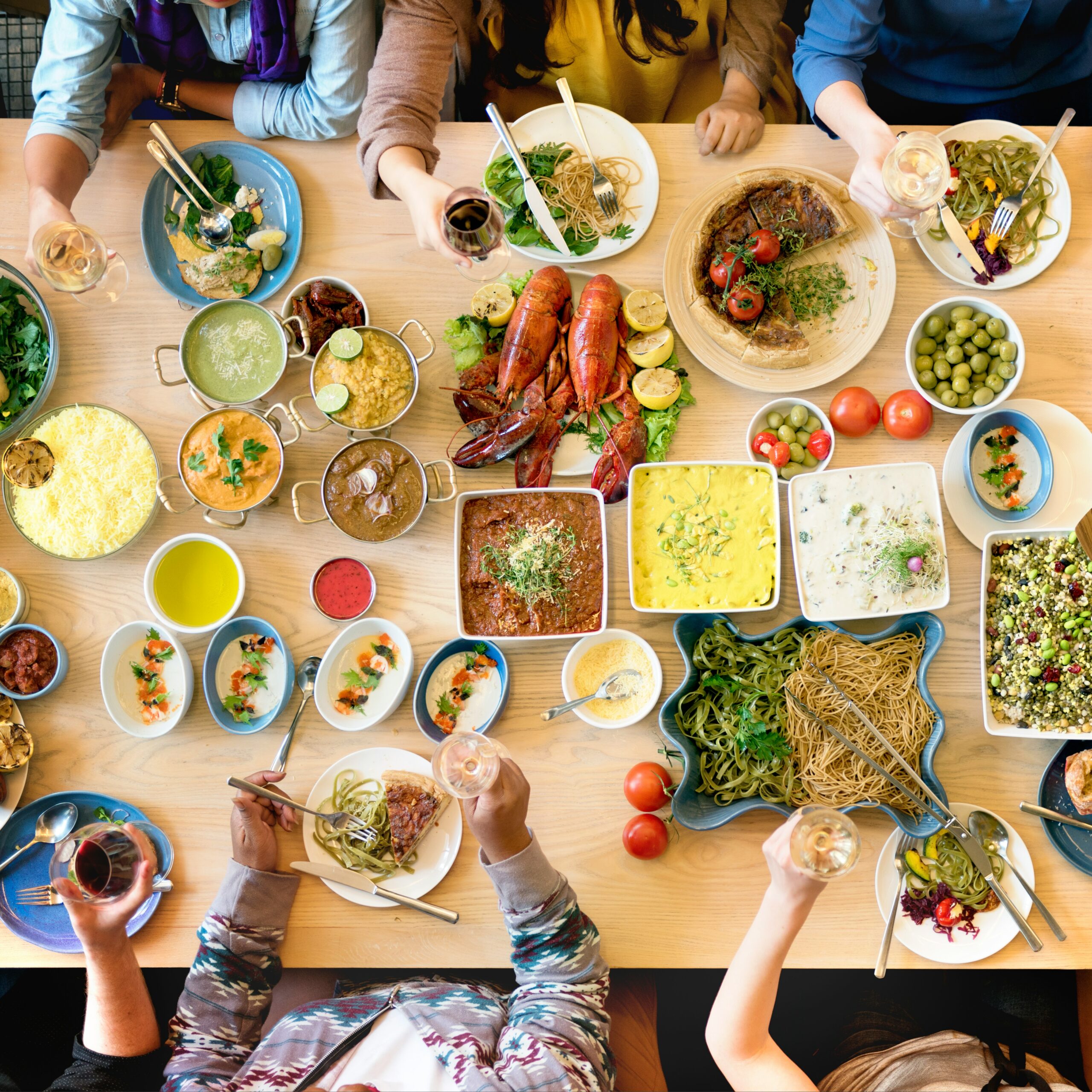
Food is one of the few experiences every human being shares, no matter where they are born or how they live. From the simplest bowl of rice to a carefully prepared holiday feast, eating is a daily act that connects survival with pleasure. While languages differ and cultures vary, the act of tasting and enjoying food creates a common ground that everyone understands.
Across every continent, people gather around meals to celebrate, comfort, and communicate. Even when words fail, a shared dish can express care, hospitality, and belonging in ways that feel instantly familiar.
The Science Behind Flavor and Memory
Taste is deeply connected to memory and emotion. When we eat something, our brain links flavors to experiences, places, and people. This is why a familiar dish can instantly bring back childhood memories or remind someone of home. The sense of taste works closely with smell, making food one of the most emotionally powerful human experiences.
Scientific studies show that the brain processes food-related memories in areas tied to emotion and identity. This explains why comfort foods differ for everyone, yet feel equally meaningful. Whether it is warm soup on a cold day or a sweet dessert after a long celebration, food becomes a personal story written through flavor.
Food as a Cultural Bridge Between Nations
Food plays a powerful role in connecting cultures across borders. When people try dishes from other countries, they experience a part of that culture in its most direct form. For example, sushi from Japan, pasta from Italy, tacos from Mexico, or biryani from India all tell stories of history, geography, and tradition.
Restaurants and food markets around the world allow people to experience cultures without traveling far. A single meal can introduce someone to new spices, cooking methods, and traditions. In this way, food becomes a bridge that reduces distance and builds curiosity between people of different backgrounds.
Traditions Passed Through Generations at the Table
Family recipes often carry the history of generations. Many dishes are not written down but are learned through observation and practice, passed from grandparents to parents and then to children. These traditions preserve cultural identity and strengthen family bonds over time.
Meals prepared at home often represent more than nutrition. They represent care, love, and continuity. A holiday dish or a weekend family meal can become a symbol of togetherness, reminding people of where they come from and with whom they share their lives.
Street Food and Everyday Connections Around the World
Street food is one of the most universal expressions of culture. From busy city corners to small rural markets, vendors serve meals that are affordable, quick, and full of local flavor. These foods often reflect the daily lives of ordinary people more than formal dining experiences do.
In cities like Bangkok, Cairo, and Istanbul, street food creates social spaces where strangers become neighbors, even if only for a few minutes. People stand side by side, sharing tables or stalls, exchanging smiles as they enjoy simple yet flavorful meals. These moments highlight how food naturally encourages human connection.
Festivals, Feasts, and Collective Joy
Festivals around the world often center on food because eating together strengthens community bonds. Celebrations such as Thanksgiving in the United States or the Lunar New Year across East Asia show how important shared meals are to cultural identity and unity. Food becomes a symbol of gratitude, renewal, and joy.
During these events, families and communities prepare special dishes that are rarely made during ordinary days. The act of cooking and sharing food becomes part of the celebration itself. It creates a sense of belonging that goes beyond words and brings people closer together.
Modern Globalization and the Fusion of Flavors
In today’s interconnected world, food travels faster than ever before. Restaurants blend flavors from different cultures, creating fusion dishes that reflect global influences. A single plate might combine ingredients from multiple continents, showing how cultures continue to interact and evolve.
This blending of cuisines also reflects migration and cultural exchange. People bring their traditions with them when they move, introducing new flavors to new places. Over time, these influences become part of local food culture, showing how food continues to adapt while preserving its roots.
Why Sharing a Meal Builds Empathy
Sharing food naturally encourages understanding between people. Sitting at the same table breaks down social barriers and creates space for conversation. When people eat together, they often feel more relaxed and open, making it easier to connect on a human level.
Meals also encourage listening and observation. Without needing to speak much, people can still share appreciation, respect, and warmth. In this way, food becomes more than nourishment. It becomes a quiet but powerful tool for empathy, reminding us that despite our differences, we all understand the simple joy of eating together.