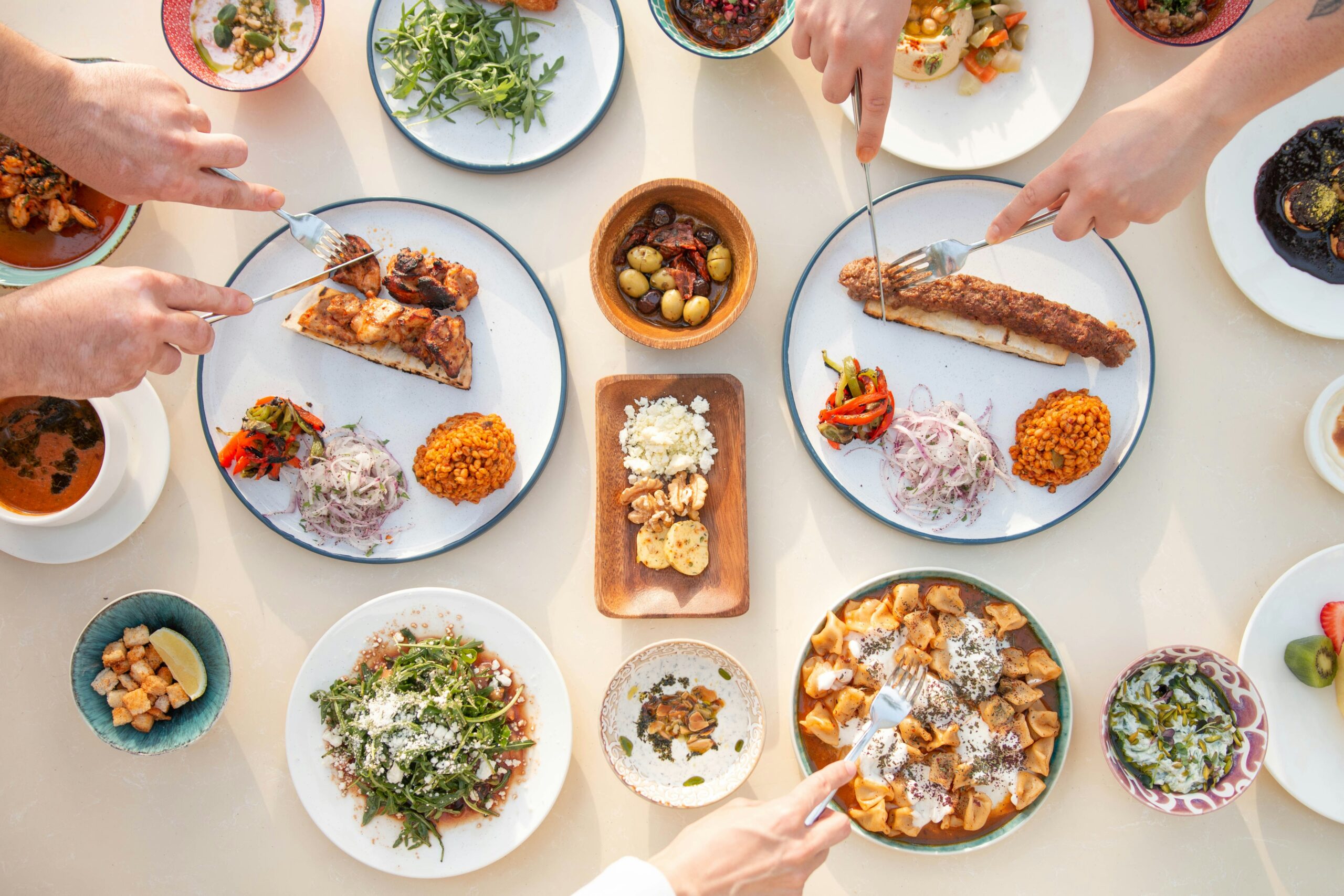
At its core, food is more than survival—it is a shared human experience that transcends geography, language, and culture. From street vendors in bustling cities to family kitchens in quiet towns, people everywhere gather around meals that offer comfort, identity, and connection. Even when words fail, a shared dish can communicate warmth, hospitality, and belonging in a way that feels instantly understood. Taste becomes a silent bridge between strangers, turning unfamiliar moments into shared understanding.
Food as Cultural Identity and Expression
Food is deeply tied to cultural identity, acting as a living expression of history, tradition, and community values. Every cuisine carries stories passed down through generations, reflecting migration patterns, climate, and local resources. For instance, spices in Indian cooking or slow-cooked techniques in Southern American cuisine are not just methods—they are cultural signatures that define how communities see themselves.
Moreover, food allows people to preserve heritage even when they are far from home. Immigrant communities often recreate traditional dishes as a way to maintain emotional ties to their origins. In addition, sharing these meals with others becomes a form of storytelling, allowing cultures to be experienced rather than simply described. As a result, food becomes both a personal memory and a public celebration of identity.
Breaking Barriers Through Culinary Exchange
One of the most powerful aspects of food is its ability to break down barriers between people who might otherwise remain strangers. When individuals share a meal, social and cultural differences often fade into the background. Instead, curiosity and appreciation take center stage, creating space for dialogue and mutual respect.
Furthermore, culinary exchange encourages openness and learning. As people try dishes from different parts of the world, they gain insight into unfamiliar traditions and lifestyles. This exchange fosters empathy, helping communities recognize shared human experiences despite surface-level differences. In many cases, food becomes the first step toward meaningful cross-cultural understanding.
The Science Behind Shared Taste Preferences
Interestingly, there is also a scientific dimension to why food connects people so deeply. Human taste preferences are influenced by biology, memory, and emotion, making food experiences both personal and universal. Sweet, salty, sour, bitter, and umami tastes trigger neurological responses that are remarkably similar across populations, creating common ground even among diverse groups.
In addition, memories linked to food are often emotionally charged. A familiar aroma or flavor can instantly transport someone back to childhood or a significant life moment. Consequently, when people share food experiences, they are not only sharing taste but also emotional resonance. This neurological connection helps explain why meals often feel intimate, even among new acquaintances.
Globalization and the Blending of Cuisines
In today’s interconnected world, globalization has transformed how food travels and evolves. Ingredients, recipes, and cooking techniques now cross borders more easily than ever before, leading to exciting culinary fusion. Dishes like sushi burritos or Korean tacos demonstrate how cultures can blend creatively while still honoring their roots.
However, this blending goes beyond novelty. It reflects how societies are becoming more interconnected through travel, media, and migration. As a result, people are exposed to a wider range of flavors and traditions, expanding their palates and perspectives. While some worry about cultural dilution, others see this evolution as proof that food continues to adapt while still uniting people through shared enjoyment.
Food in Moments of Celebration and Comfort
Food plays a central role in both celebration and comfort, marking life’s most meaningful moments. Weddings, holidays, and festivals around the world are defined by specific dishes that bring people together in joy and gratitude. These meals create traditions that strengthen bonds between families and communities, making celebrations more memorable and meaningful.
At the same time, food offers comfort during difficult times. A warm meal can provide emotional relief, offering a sense of stability and care when it is needed most. Whether it is homemade soup during illness or shared desserts after a long day, food has the unique ability to soothe and reconnect people. In this way, it becomes not just nourishment, but emotional support that reinforces human connection.
A Universal Flavor That Connects the World
Ultimately, taste remains one of the most powerful forces of global connection, cultural unity, and human communication. It works beyond language barriers, allowing people to experience international cuisines, culinary traditions, and shared dining experiences without needing translation. Every bite carries meaning, linking individuals through food culture, emotional memory, and sensory experience that feels both personal and collective.
Therefore, whether through street food, home-cooked meals, or fine dining experiences, food continues to shape global gastronomy, cross-cultural understanding, and social connection. In an increasingly interconnected world, taste stands as a reminder that humanity is linked not only by ideas and technology, but also by the simple yet profound act of sharing food.