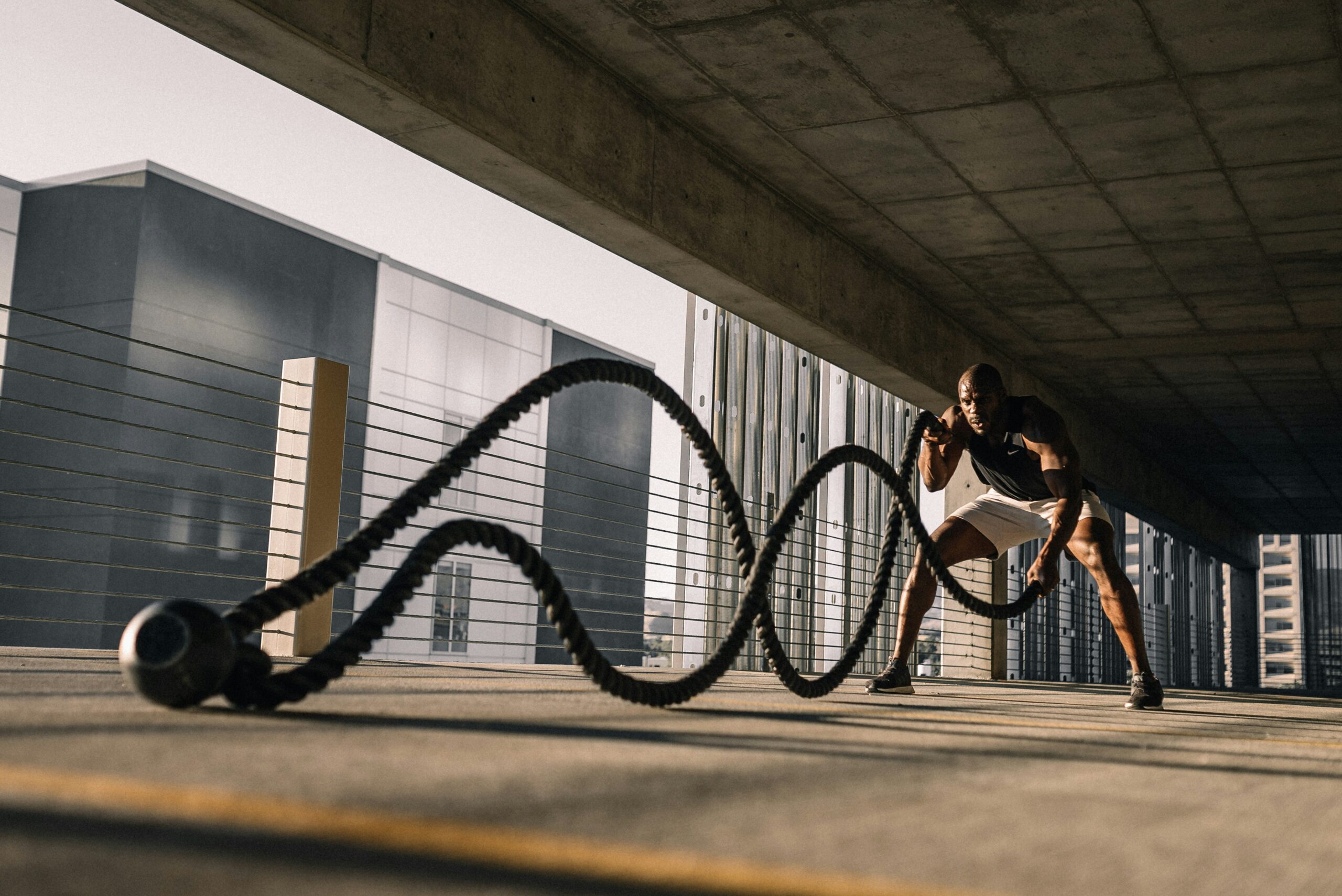
Combat-based workouts offer an exciting way to improve physical fitness while developing strength, endurance, and coordination. These workouts use movements inspired by boxing, kickboxing, martial arts, and other fighting disciplines. Unlike traditional exercise programs, they combine full-body movements with controlled techniques. Participants throw punches, perform kicks, practice footwork, and move through different exercise patterns. Each movement challenges the body while creating an active and engaging fitness experience.
Many people choose combat-based workouts because they provide more than basic physical exercise. These routines can support heart health, improve muscle strength, and develop better balance. They also encourage mental focus and help people manage everyday stress. Whether someone wants to improve overall fitness or explore a new training method, combat-based exercise offers an adaptable approach. Understanding its benefits can help individuals build a healthier and more active lifestyle.
How Combat-Based Workouts Improve Overall Fitness
Combat-based training combines several forms of physical activity into one workout. Punching, kicking, stepping, and changing direction engage different muscle groups. These actions increase movement throughout the body and encourage better physical control. Unlike exercises that focus on isolated muscles, combat-inspired routines require the arms, legs, shoulders, and core to work together. This coordinated effort supports balanced physical development and improves the body’s ability to handle different movements.
Regular participation can also improve general fitness by challenging the body in different ways. Some movements require quick bursts of energy, while others involve steady activity over longer periods. This combination helps develop strength and endurance. As participants gain experience, they may notice improvements in daily activities such as climbing stairs, carrying groceries, and walking longer distances. The variety of movements also makes training more interesting and encourages consistent participation.
Strengthening the Heart Through Active Movement
Heart health plays an important role in overall physical fitness. Combat-based workouts can provide an effective form of aerobic exercise because they involve continuous movement. Punching combinations, quick footwork, and repeated kicking techniques increase heart rate and breathing. During these activities, the heart works harder to deliver oxygen to active muscles. Over time, regular training can improve cardiovascular endurance and help the body manage physical activity more efficiently.
These workouts also allow participants to adjust exercise intensity according to their fitness levels. Beginners can start with slower movements and shorter sessions. More experienced individuals can increase their speed or extend training periods. Alternating between active movements and brief recovery periods creates additional challenges for the heart and lungs. With consistent practice, participants may develop greater stamina and feel less tired during everyday physical activities.
Building Muscle Strength Across the Body
Combat-based workouts involve much more than throwing punches or performing kicks. Every movement requires support from several muscle groups. Punching activates the shoulders, arms, chest, and upper back. Kicking engages the hips, thighs, and lower legs. Meanwhile, the abdominal and back muscles help maintain balance and control. This full-body involvement creates opportunities to improve muscular strength and endurance through repeated movements.
The benefits become more noticeable when participants focus on proper technique and controlled effort. Strong movements require coordination between the upper and lower body. For example, an effective punch begins with stable foot placement and uses movement through the hips and shoulders. Repeating these actions helps muscles work together more efficiently. Although combat-based workouts may not replace traditional strength training, they can complement it by developing muscular endurance and improving movement quality.
Improving Balance, Coordination, and Flexibility
Balance and coordination are essential parts of physical fitness. Combat-based workouts challenge these abilities through frequent changes in body position. Participants move forward, backward, and sideways while maintaining control. They also shift their weight when throwing punches or performing kicks. These movements train the body to respond to changing positions without losing stability. Better balance can make daily activities easier and may help reduce the risk of certain falls.
Flexibility also plays an important role in effective movement. Kicking techniques require comfortable movement through the hips and legs. Punching combinations involve rotation through the shoulders and upper body. When participants practice within a safe range of motion, they can improve mobility over time. Adding gentle stretching and proper warm-ups supports this process. Improved mobility allows people to move more comfortably during exercise and throughout everyday life.
Supporting Healthy Weight Management
Combat-based workouts can contribute to healthy weight management by increasing physical activity and energy use. Repeated punches, kicks, and foot movements require effort from large muscle groups. When performed at a suitable intensity, these exercises can burn a meaningful amount of energy. However, the exact amount depends on body size, workout duration, training intensity, and individual fitness. Regular participation can support weight management when combined with balanced eating habits and adequate recovery.
Another advantage comes from the enjoyable nature of combat-inspired exercise. Some people struggle to maintain traditional workout routines because they find repeated exercises boring. Combat-based training introduces changing movements and new skills, which can make sessions feel more engaging. Participants often focus on learning combinations and improving technique rather than simply completing a workout. This sense of progress can support long-term consistency, which remains important for maintaining a healthy body weight.
Developing Greater Speed and Physical Endurance
Speed is an important feature of many combat-based activities. Participants practice responding quickly while keeping their movements controlled. Short punching combinations, rapid footwork, and quick changes in direction encourage faster muscle responses. With regular practice, individuals may improve their ability to perform movements smoothly and efficiently. These improvements can benefit recreational sports and physical activities that require quick reactions.
Physical endurance develops through repeated movement over time. During a training session, participants may alternate between active punching combinations and periods of lighter movement. These changes challenge the muscles and cardiovascular system. As the body adapts, participants can gradually complete longer sessions without becoming exhausted as quickly. Improved endurance also supports everyday tasks by making sustained physical effort feel more manageable.
Enhancing Mental Focus and Reducing Stress
Physical exercise can influence mental well-being, and combat-based workouts provide several opportunities to support emotional health. Learning movements requires attention, timing, and concentration. Participants must coordinate their hands, feet, and body position while following instructions. This focus can temporarily shift attention away from daily worries. Regular exercise may also improve mood and help reduce feelings of stress through its effects on physical activity and emotional regulation.
Combat-inspired training can also build confidence through gradual skill development. Beginners may initially struggle with unfamiliar movements. However, consistent practice often leads to better coordination and improved control. Recognizing this progress can create a sense of personal achievement. Many participants also enjoy the structured environment of group classes, where shared goals encourage motivation and positive social interaction.
Creating a Sustainable Exercise Routine
One of the most valuable features of combat-based workouts is their flexibility. People can participate through fitness boxing, noncontact kickboxing, martial arts classes, or guided home sessions. These options allow individuals to choose activities that match their interests and abilities. Beginners can focus on basic movements before attempting more demanding combinations. Gradual progress helps the body adapt while reducing the likelihood of injury from excessive training.
Consistency matters more than performing extremely difficult workouts. A sustainable routine includes appropriate exercise intensity, enough recovery time, and attention to proper technique. Participants should warm up before training and allow tired muscles to recover between challenging sessions. They can also combine combat-based workouts with walking, stretching, and resistance exercises for a balanced fitness program. Over time, these habits can support lasting improvements in physical health.
Why Combat-Based Workouts Encourage Long-Term Fitness
Maintaining motivation can be one of the biggest challenges in any fitness program. Combat-based exercise addresses this challenge by offering opportunities to learn and improve. Participants can work toward smoother combinations, better balance, and greater endurance. Each session provides a chance to practice familiar skills while exploring new movements. This variety can help prevent boredom and make regular exercise feel more rewarding.
Combat-based workouts bring together several important elements of physical fitness. They can strengthen muscles, improve cardiovascular endurance, support flexibility, and develop coordination. Their mental and emotional benefits can also contribute to a healthier lifestyle. When practiced safely and consistently, these activities offer a practical way to stay active. Rather than focusing only on immediate results, participants can use combat-inspired training to develop lasting exercise habits and improve their overall quality of life.