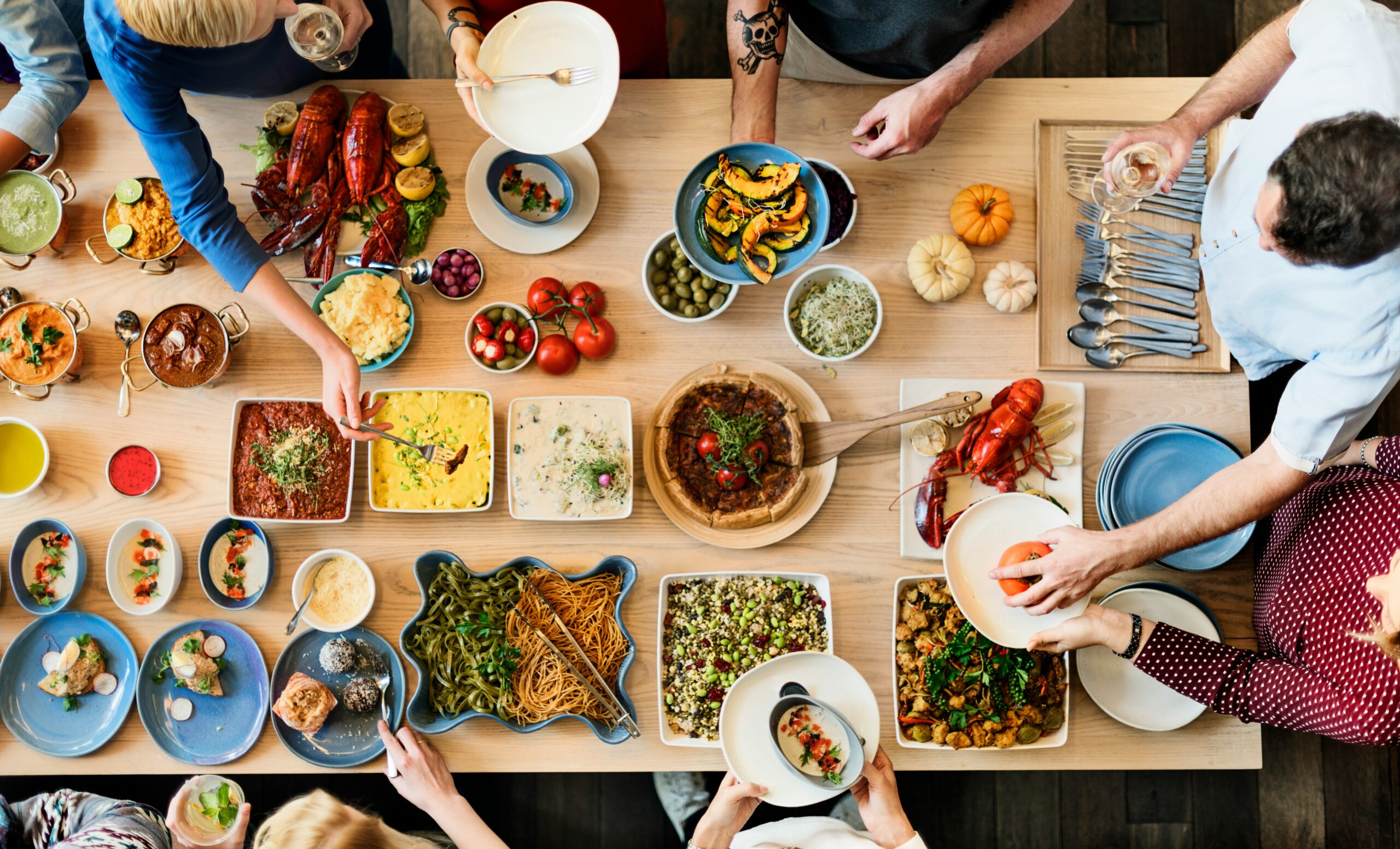
Food is more than a daily necessity. It is a powerful way to connect cultures, strengthen family bonds, and bring generations closer together. Traditional recipes, shared meals, and cultural cuisine carry stories about heritage, identity, family values, and community traditions. From a grandmother teaching a cherished recipe to a family gathering around a festive meal, food creates meaningful experiences that connect people across age groups and cultural backgrounds. Through food traditions, cultural exchange, family recipes, and shared meals, people can celebrate diversity while keeping their heritage alive.
In a world where people often live far from their hometowns and interact with cultures different from their own, food offers a natural way to connect. Sharing a meal can reduce social barriers and encourage curiosity. A traditional recipe may introduce someone to unfamiliar ingredients, cooking methods, or customs. At the same time, younger family members can discover their heritage by learning how older relatives prepare beloved dishes. Through these everyday experiences, food becomes a powerful form of cultural connection.
Food Preserves Cultural Identity
Every culture has foods that reflect its history and environment. Ingredients often come from what people could grow, raise, catch, or trade in their region. Cooking methods developed around local resources and family needs. Over time, these choices became traditions that families continued to practice. From homemade breads and rich stews to rice dishes, noodles, curries, and grilled foods, traditional meals often represent much more than flavor. They can express community values, history, hospitality, and cultural identity.
Food traditions also help people maintain a sense of belonging when they move away from home. Immigrants and their families may continue preparing familiar dishes even when they live thousands of miles from their birthplace. Cooking a traditional meal can bring back memories of childhood, family gatherings, and special celebrations. It can also introduce cultural traditions to friends and neighbors. When people share these foods, they create opportunities for cultural exchange while keeping important parts of their heritage alive.
Family Recipes Connect Generations
Recipes often serve as bridges between grandparents, parents, children, and grandchildren. A handwritten recipe card may contain more than measurements and instructions. It can carry memories of a family member who prepared the dish for birthdays, holidays, or weekend gatherings. When an older relative teaches a younger person how to make that recipe, they share practical knowledge and personal stories at the same time. The kitchen becomes a place where generations can learn from one another.
Many traditional recipes are not followed with exact measurements. Older family members may cook by instinct, using phrases such as “a little more” or “until it looks right.” Younger cooks learn by watching, tasting, and practicing. This process creates meaningful interaction between generations. It also gives young people a chance to understand their family history in a personal way. A recipe can therefore become a living tradition that changes slightly over time while still preserving its original spirit.
Shared Meals Encourage Cultural Understanding
Sharing food can make unfamiliar cultures feel more approachable. When someone tries a traditional dish, they may become curious about where it comes from and why people prepare it in a particular way. Food festivals, cultural events, family gatherings, and community dinners provide natural spaces for this kind of discovery. People can exchange recipes, discuss ingredients, and learn about customs without needing formal lessons. A shared meal creates an informal environment where conversations can happen naturally.
Food can also challenge assumptions about other cultures. A person may have limited knowledge about a community but become interested after enjoying its cuisine. That curiosity can lead to deeper conversations about traditions, family life, celebrations, and history. Eating together does not erase cultural differences, and it should not. Instead, it creates respect for those differences by giving people a chance to experience another culture through something familiar and enjoyable. In this way, food can encourage openness and meaningful cultural exchange.
Food Creates Memories Across Ages
Some of the strongest family memories are connected to meals. Children may remember helping a parent bake cookies, preparing a holiday dish with grandparents, or sitting around a table during a special celebration. These moments may seem ordinary at the time, but they can become powerful memories later in life. Food gives families a reason to gather, talk, laugh, and spend time together without distractions. The meal itself becomes part of a shared story.
Generational food traditions can also evolve as families change. Younger people may add new ingredients, experiment with presentation, or combine traditional recipes with modern cooking styles. These changes do not necessarily weaken cultural traditions. Instead, they can help traditions remain relevant. When families allow younger generations to participate creatively, food becomes a living connection between the past and the present. Old recipes gain new meaning while their emotional importance continues.
Food Brings Communities Closer
The power of food extends beyond families. Community meals can bring neighbors together and create stronger social connections. Potlucks, street food events, cultural festivals, and holiday gatherings allow people from different backgrounds to contribute something meaningful. Each dish can represent a personal story or cultural tradition. When people share these dishes, they also share pieces of their identity with others.
Food can be especially valuable in diverse communities where people may not otherwise interact. A meal creates a common experience and encourages conversation. Someone may arrive knowing very little about another culture and leave with a new favorite dish and a better understanding of the people who prepared it. These small interactions can build trust over time. Strong communities often grow through simple moments of connection, and sharing food is one of the easiest ways to create those moments.
Passing Traditions to the Future
Keeping food traditions alive requires participation from younger generations. Parents and grandparents can invite children into the kitchen, explain the history behind family dishes, and encourage them to ask questions. Schools and community groups can also celebrate cultural cuisine through cooking activities and food events. These experiences help young people understand that cultural heritage is not simply something found in history books. It is something people can practice, enjoy, and share every day.
At the same time, younger generations can bring fresh energy to traditional food. They may document family recipes, create digital cooking videos, or adapt old dishes for new lifestyles. This combination of tradition and creativity can help cultural foods reach wider audiences. When generations work together, they preserve important memories while allowing traditions to grow naturally. Food remains meaningful because it can honor the past without refusing to change.
A Shared Table, A Stronger Connection
Food has a unique ability to bring people together because it connects culture, memory, family, and community. A single meal can introduce someone to a new tradition, remind another person of home, or give grandparents and grandchildren a reason to spend time together. These experiences show that cultural connection does not always require complicated conversations. Sometimes, it begins with an invitation to sit down and share a meal.
Ultimately, food helps create stronger relationships across cultures and generations by turning differences into opportunities for discovery. It preserves cultural identity, strengthens family traditions, creates lasting memories, and encourages community engagement. When people cook together, exchange recipes, and share meals, they build connections that can last for years. Food is not only something we eat. It is a meaningful way to understand one another, celebrate diversity, and pass valuable traditions to future generations.