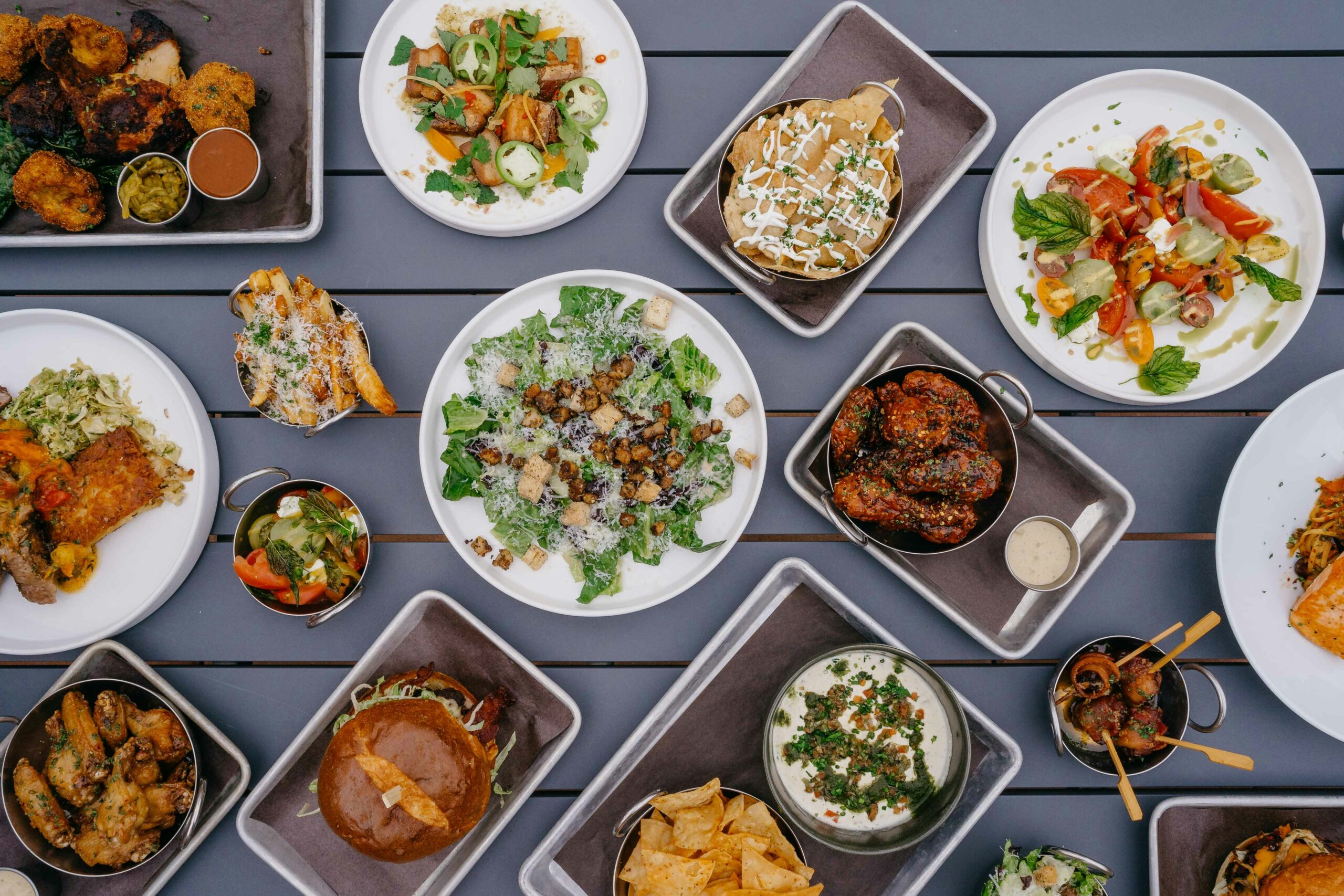
Food is much more than something people eat every day. It tells stories, creates memories, and brings families together across generations. Every recipe carries a history, and every shared meal strengthens relationships. From homemade family dinners to festive celebrations, food plays an important role in connecting people with their roots.
Many traditional recipes are passed down from grandparents to parents and then to children. These dishes often stay the same for decades because they represent family history and cherished memories. Preparing these meals together allows younger generations to learn about their heritage while creating new experiences with loved ones.
Family Recipes Keep Traditions Alive
Family recipes are often treasured because they remind people of special moments and loved ones. A handwritten recipe card or a favorite holiday dish can bring back memories of family gatherings, celebrations, and meaningful conversations around the table.
Cooking together also creates learning opportunities. Older family members share techniques, cooking tips, and stories that cannot be found in cookbooks. These lessons help preserve traditions while giving younger generations a deeper appreciation for their family’s history.
Even as lifestyles become busier, making time to prepare traditional meals helps families maintain strong connections. These simple moments become lasting memories that continue for years.
Food Connects Different Cultures
Every culture has unique flavors, ingredients, and cooking styles that reflect its history and environment. Traditional dishes often tell stories about local farming, climate, celebrations, and community values. Sharing these meals with others encourages understanding and respect between different cultures.
Trying foods from different backgrounds allows people to experience traditions beyond their own. A shared meal can introduce new flavors, customs, and ways of celebrating life. This exchange helps build friendships and creates opportunities to appreciate cultural diversity.
Restaurants, food festivals, and community events also offer opportunities to explore authentic cuisine while learning about the traditions behind each dish.
Celebrations Become More Meaningful with Food
Food is at the heart of many celebrations throughout the year. Birthdays, weddings, religious events, seasonal festivals, and family reunions often feature special meals that bring everyone together.
Certain dishes are prepared only during specific occasions, making them even more meaningful. These foods become symbols of joy, gratitude, and togetherness. Families often look forward to these traditions because they create a sense of belonging and continuity.
The preparation itself can be just as important as the meal. Family members gather in the kitchen, share responsibilities, laugh together, and create memories long before everyone sits down to eat.
Cooking Creates Lasting Bonds
Preparing food together encourages teamwork, communication, and patience. Whether baking cookies with children or learning a traditional recipe from grandparents, cooking becomes a shared experience that strengthens family relationships.
Children who participate in cooking often develop valuable life skills while gaining confidence in the kitchen. At the same time, they learn about family traditions and cultural values through hands-on experiences rather than simple conversations.
These moments help build emotional connections that last far beyond the meal itself. Years later, familiar recipes often remind people of the time they spent with loved ones.
Food Tells Stories Without Words
Every traditional dish has a story behind it. Some recipes reflect generations of family history, while others represent journeys, celebrations, or important life events. Ingredients may have been chosen based on local resources, seasonal harvests, or centuries-old cultural customs.
When people prepare and share these meals, they also share the stories connected to them. Younger generations learn about family traditions, important historical events, and the experiences that shaped previous generations.
These stories help preserve identity while allowing families to honor their past and pass on valuable memories to future generations.
Modern Life Meets Traditional Cooking
Today’s fast-paced lifestyle has changed how many people prepare and enjoy food. Convenience often replaces homemade meals, and busy schedules can reduce family dining time. However, many families continue to recognize the value of traditional cooking.
Some people adapt old recipes by using healthier ingredients or modern cooking equipment while keeping the original flavors. Others schedule weekly family dinners or holiday cooking sessions to ensure traditions remain part of their lives.
Technology has also made it easier to preserve family recipes. Digital recipe collections, cooking videos, and family photo albums help protect traditions while making them accessible to future generations.
The Lasting Power of Sharing a Meal
Food has a unique ability to bring people together regardless of age, background, or culture. A shared meal creates opportunities for conversation, laughter, learning, and connection. Family recipes preserve treasured memories, while cultural dishes introduce people to new traditions and perspectives.
As generations continue to grow and communities become more diverse, food remains one of the strongest ways to celebrate heritage and strengthen relationships. Every meal shared around the table becomes more than nourishment—it becomes a lasting reminder of family, culture, and the traditions that connect people across time.