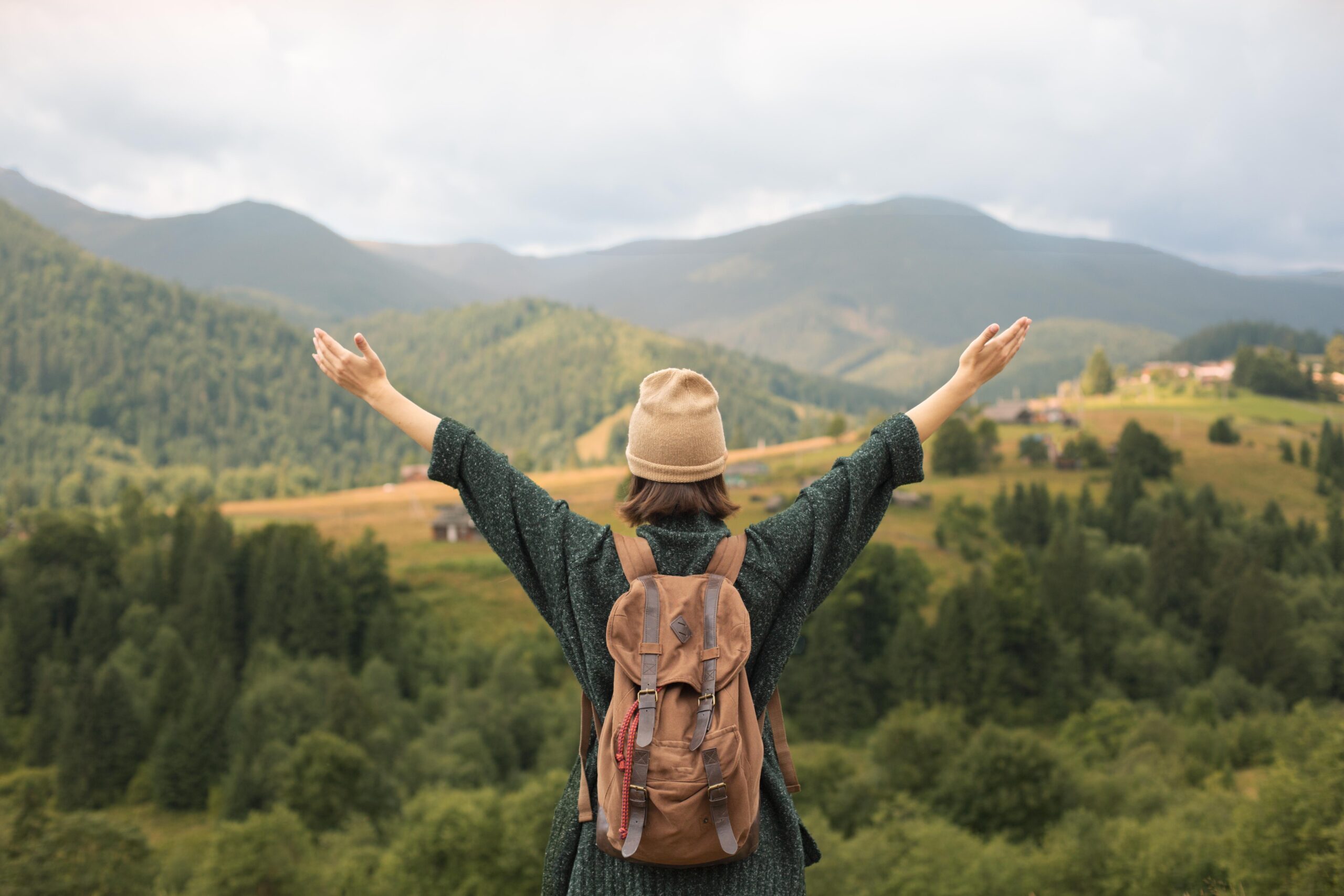
Travel is often associated with relaxation, adventure, and the discovery of new destinations. However, its greatest benefits may have less to do with sightseeing and more to do with personal growth. Entering unfamiliar places challenges people to adapt, communicate, solve problems, and view the world from a broader perspective.
Every journey creates moments of uncertainty. A delayed flight, a language barrier, a missed connection, or an unfamiliar social custom can quickly move a traveler outside their comfort zone. These experiences may feel frustrating at first, but they can also strengthen patience, confidence, resilience, and emotional control.
Travel also encourages empathy. Meeting people from different cultures makes it easier to understand that values, routines, and beliefs are shaped by history, environment, family, and community. Instead of seeing unfamiliar behavior as strange, travelers begin to recognize it as part of a different but equally meaningful way of life.
Travel Pushes People Beyond Their Comfort Zones
Personal growth rarely happens when everything feels predictable. Travel naturally introduces unfamiliar surroundings, new routines, and situations that require independent decision-making.
Simple tasks can become challenging in a new place. Ordering food, finding transportation, understanding directions, or following local customs may require more attention than they would at home. These minor difficulties teach travelers to remain calm and keep moving forward.
Over time, people become more comfortable with uncertainty. They learn that confusion does not always lead to failure and that mistakes can often be corrected. This mindset builds mental toughness by replacing fear with practical problem-solving.
The confidence gained through travel often continues after the journey ends. Challenges at work, school, or home may feel more manageable because the traveler has already learned how to function in unfamiliar situations.
Unexpected Problems Strengthen Resilience
Travel rarely goes exactly as planned. Weather changes, reservations are lost, luggage is delayed, and transportation schedules can shift without warning.
These disruptions test patience and emotional control. A traveler who becomes overwhelmed may find the situation more difficult, while someone who pauses, gathers information, and considers alternatives is more likely to find a solution.
Resilience develops through repeated exposure to manageable difficulties. Each solved problem becomes evidence that the traveler can handle setbacks without giving up.
This does not mean that every travel experience must be uncomfortable. It means that even inconvenient moments can have value. A missed train may lead to an unexpected conversation, while a changed itinerary may reveal a place that was not part of the original plan.
Travel teaches that flexibility is often more useful than complete control.
New Environments Improve Adaptability
Adaptability is the ability to respond effectively when circumstances change. Travel strengthens this skill because each destination has its own routines, expectations, and systems.
Meal times may differ, stores may close earlier, public transportation may operate differently, and social behavior may follow different rules. Travelers must observe, ask questions, and adjust.
This process encourages curiosity rather than resistance. Instead of expecting every place to operate like home, experienced travelers learn to understand how local systems work.
Adaptability is valuable in nearly every area of life. Workplaces change, relationships evolve, and unexpected responsibilities appear. People who are comfortable adjusting to new conditions are often better prepared to handle these transitions.
Travel provides practical training in flexibility without presenting it as a formal lesson.
Cultural Exposure Encourages Empathy
Empathy grows when people are willing to see life from another person’s point of view. Travel creates opportunities to understand how individuals live, work, celebrate, and solve problems in different parts of the world.
Reading about a culture can provide useful information, but direct experience often creates a stronger emotional connection. Sharing a meal, visiting a local market, using public transportation, or participating in a community tradition can reveal details that guidebooks may overlook.
Travelers begin to notice that many human concerns are universal. People everywhere care about family, safety, opportunity, dignity, and belonging. The ways they express those priorities may differ, but the underlying emotions are often familiar.
This understanding can reduce prejudice. It becomes harder to rely on simple stereotypes after meeting real people whose lives are more complex than those assumptions suggest.
Language Barriers Teach Patience and Humility
Communicating in a place where a different language is spoken can be both challenging and educational. Travelers may struggle to explain what they need or understand what someone is saying.
These moments teach humility. A person who is confident and articulate at home may suddenly need to rely on gestures, translation tools, simple words, or help from strangers.
This experience can create greater compassion for immigrants, international students, and anyone who regularly communicates in a second language. The traveler begins to understand the effort required to complete ordinary tasks when language is a barrier.
Successful communication also becomes more rewarding. A short conversation, a correctly pronounced phrase, or a kind response from a local person can create a memorable sense of connection.
Patience becomes essential because understanding may take time.
Independent Travel Builds Confidence
Travel requires decisions. People must choose routes, manage money, organize schedules, evaluate safety, and respond when plans change.
Making these decisions independently can improve confidence. Travelers begin to trust their judgment because they see the results of their choices in real time.
Confidence does not mean believing that nothing will go wrong. It means knowing that difficulties can be handled thoughtfully.
Even small accomplishments can feel meaningful in an unfamiliar environment. Finding the right bus, navigating a new city, or resolving a booking issue can create a powerful sense of achievement.
This confidence can influence life after travel. People may become more willing to speak up, try new activities, accept responsibility, or pursue opportunities that once seemed intimidating.
Travel Challenges Assumptions and Expands Perspective
People often develop beliefs about the world based on their immediate environment, media exposure, and personal experiences. Travel introduces new evidence that may challenge those beliefs.
A destination may be safer, friendlier, more modern, or more complex than expected. Local people may hold opinions that do not align with common stereotypes. Social systems may operate differently while still meeting the needs of the community.
These discoveries encourage critical thinking. Travelers learn to question simple narratives and look for context before making judgments.
A broader perspective can also create gratitude. Seeing different living conditions may help people appreciate resources, freedoms, relationships, and opportunities they previously took for granted.
At the same time, travel can inspire improvement by revealing better approaches to transportation, sustainability, education, community life, or public spaces.
Meaningful Travel Requires Respectful Engagement
Travel does not automatically create empathy. A person can visit many places while remaining disconnected from local culture.
Meaningful travel requires curiosity, respect, and a willingness to listen. Travelers should learn basic customs, support local businesses when possible, and avoid treating communities as entertainment.
Photography, clothing, religious sites, and personal interactions should be approached thoughtfully. Respectful behavior shows that the destination is someone’s home, not merely a background for a vacation.
Travelers should also recognize the environmental and social effects of tourism. Responsible choices can help protect natural areas, preserve cultural traditions, and support communities more fairly.
Growth happens when travel becomes an exchange rather than simple consumption.
Travel Creates Lasting Personal Transformation
The most valuable souvenirs are often not physical objects. They are the skills, memories, and perspectives that remain after the journey ends.
Travel teaches people how to manage uncertainty, recover from setbacks, communicate across differences, and approach unfamiliar situations with curiosity. It builds mental toughness by showing that discomfort can be temporary and that solutions are often available.
It also deepens empathy by bringing travelers closer to people whose lives may appear different but are shaped by familiar hopes and challenges.
A journey may last only a few days or weeks, but its impact can continue for years. By stepping into the wider world, people often return with a stronger understanding of themselves and a more compassionate view of others.