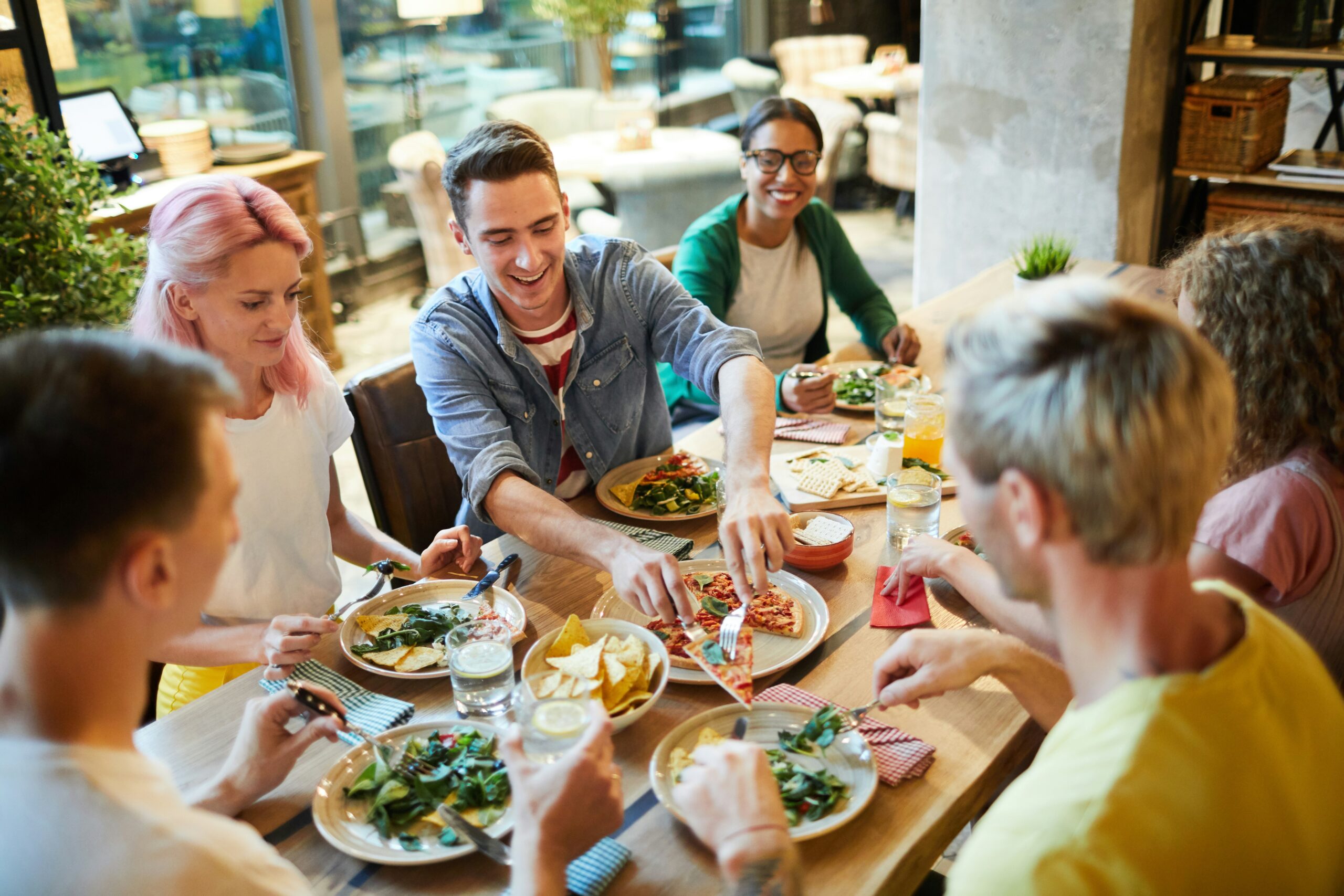
Food connection shapes the way people gather, talk, laugh, and remember. A simple meal can turn strangers into friends, bring families closer, and help communities feel stronger. Across cultures, people use food to show care, respect, love, and welcome. Because of this, every shared table carries more than plates and cups. It carries stories, comfort, and trust. From a quick coffee with a coworker to a long holiday dinner with family, food gives people a reason to pause and connect. In a busy world, that shared moment matters. Food not only feeds the body. It also feeds friendship, memory, and belonging.
Why Food Builds Human Connection
Food brings people together because it creates a shared experience. When people sit at the same table, they often feel more open and relaxed. As a result, conversations flow with less pressure. The meal gives everyone something common to enjoy, even when people come from different backgrounds.
In addition, food can lower emotional walls. A warm dish, a favorite dessert, or a familiar smell can make people feel safe. Because comfort matters in every relationship, shared meals often help people listen better, speak more honestly, and build deeper bonds.
The Power of Shared Meals
Shared meals turn ordinary time into meaningful time. Families often use dinner to talk about the day, solve problems, and celebrate small wins. Friends use meals to catch up, laugh, and support each other. Therefore, food becomes part of the rhythm of healthy relationships.
Moreover, shared meals create memories that last. People may forget the exact words from a conversation, yet they often remember the taste of a special dish or the feeling around the table. Over time, those memories become part of a person’s story.
Food, Culture, and Belonging
Every culture carries its history through food. Recipes often pass from one generation to the next, and each dish holds meaning. Because of this, cooking and eating traditional food can help people feel connected to family roots, language, and place.
At the same time, food helps people learn about others. When someone shares a cultural dish, they also share a piece of identity. As people taste new flavors, they often gain respect for different ways of life. In this way, food connection supports empathy and inclusion.
Friendship Around the Table
Friendship often grows through simple acts of sharing. Inviting someone to eat, offering a homemade snack, or meeting for lunch can show care without grand words. Consequently, food becomes a natural bridge between people.
Also, meals give friendships time to deepen. During a meal, people can talk, listen, and enjoy each other’s presence. Since strong friendships need regular attention, food provides an easy and warm way to stay close.
Family Traditions and Emotional Bonds
Family food traditions help create a sense of stability. A Sunday meal, birthday cake, or holiday recipe can remind people that they belong. Even when life changes, these traditions can keep families connected.
Furthermore, cooking together can strengthen family bonds. Children learn stories, values, and skills in the kitchen. Parents and grandparents pass down more than recipes. They pass down patience, care, and love.
Food as a Language of Care
Food often says what words cannot. A bowl of soup during sickness, a meal after a hard day, or a favorite dish during a celebration can express deep care. Because actions often speak louder than words, food becomes a powerful form of emotional support.
In many relationships, feeding someone means noticing their needs. It shows attention and kindness. Therefore, food connection works as a quiet language of love, especially when people struggle to explain how they feel.
Community, Hospitality, and Trust
Communities grow stronger when people eat together. Potlucks, neighborhood dinners, festivals, and charity meals help people feel seen and included. As a result, food can turn a group of individuals into a real community.
Hospitality also builds trust. When people welcome others with food, they create a warm first step toward connection. Even a small offering can send a clear message: you are welcome here.
Modern Life and the Need to Gather
Modern life often feels rushed. Many people eat alone, scroll through phones, or skip meals because of busy schedules. However, regular shared meals can restore balance. They give people space to slow down and reconnect.
Even simple choices can help. A weekly dinner with friends, a family breakfast, or a lunch break with coworkers can make life feel less isolated. Therefore, food connection remains important, even in a fast digital age.
How to Create Stronger Food Connections
People do not need fancy meals to build connections. A simple homemade dish, takeout shared on a couch, or coffee at a kitchen table can work well. What matters most is attention, presence, and care.
In addition, people can build stronger bonds by asking about food stories. Questions about favorite meals, family recipes, or childhood dishes often lead to meaningful conversations. Through these stories, food becomes a path to deeper understanding.
Food Brings People Closer
Food connection remains one of the most natural ways humans build relationships. It blends taste, memory, care, and culture into moments that people can share. Because everyone needs nourishment, food offers a common ground where connection can begin.
Ultimately, forks and flavors do more than fill plates. They help create friendships, protect traditions, and strengthen families. When people gather around food with care and attention, they create bonds that last far beyond the meal.