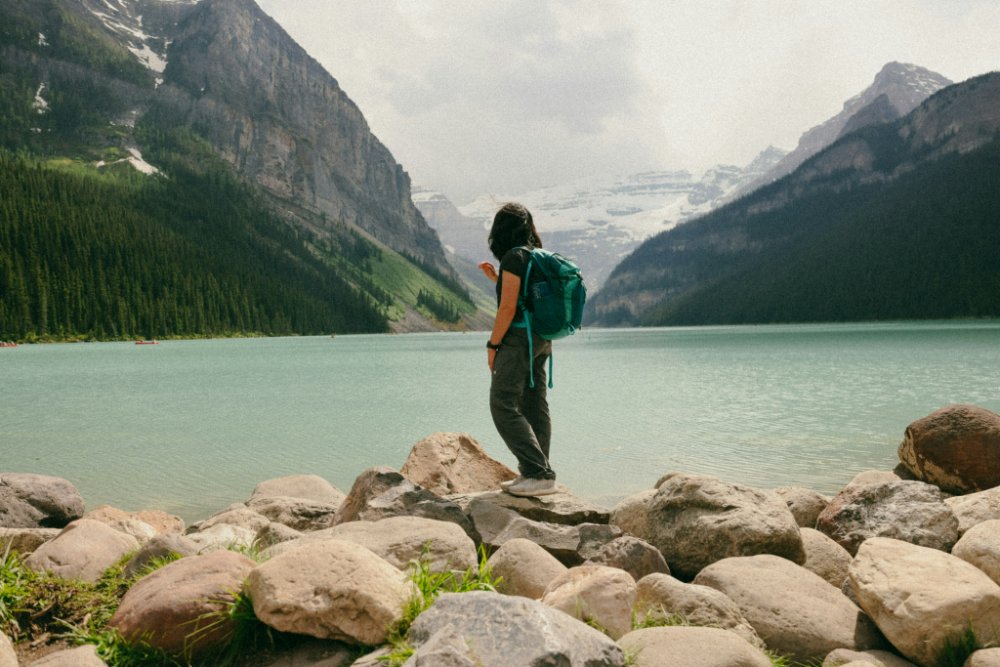
Traveling alone to another country can be an exciting and meaningful experience. However, it can also create feelings of uncertainty, nervousness, and excitement. Without familiar people nearby, travelers must make their own decisions, solve unexpected problems, and adjust to different environments. Although these challenges may seem difficult at first, they can support emotional growth and personal development. Solo travel encourages individuals to explore unfamiliar places while discovering their own abilities.
Moreover, traveling independently provides opportunities to understand personal strengths, overcome fears, and develop confidence. Every new experience teaches valuable lessons about patience, responsibility, and adaptability. Whether someone explores a busy international city or visits a quiet cultural destination, traveling alone can create lasting memories and encourage a stronger sense of independence.
Building Self-Confidence Through Independent Decisions
Solo travel requires individuals to make decisions without depending on friends or family members. Travelers must choose accommodations, organize transportation, manage expenses, and plan activities. Initially, these responsibilities may feel overwhelming. However, each successful decision helps build confidence. Over time, individuals may begin to trust their judgment and feel more comfortable handling unfamiliar situations.
For example, finding the correct train station in a foreign city can create a sense of achievement. Although the task may appear simple, completing it without assistance can strengthen personal confidence. Furthermore, making independent choices allows travelers to understand their preferences and abilities. These experiences can encourage greater confidence when facing responsibilities at home, work, or school.
Overcoming Fear and Becoming Comfortable With Uncertainty
Fear often prevents people from exploring unfamiliar places or trying new activities. Traveling alone abroad requires individuals to face situations that fall outside their normal routines. Language differences, unfamiliar transportation systems, and new cultural expectations can create uncertainty. However, preparing carefully and approaching challenges gradually can help travelers manage these concerns.
As travelers gain experience, unfamiliar situations may become less intimidating. For instance, ordering food in another language might initially feel stressful. After several successful conversations, the same activity may become enjoyable. Consequently, travelers learn that uncertainty does not always lead to negative outcomes. This understanding can help them approach future changes with greater confidence and flexibility.
Developing Emotional Independence and Self-Reliance
Emotional independence involves managing personal feelings and making decisions without constantly seeking reassurance from others. Solo travel creates opportunities to develop this ability. Travelers may experience moments of loneliness, frustration, or disappointment while exploring unfamiliar destinations. Although these emotions can feel uncomfortable, they also provide opportunities for reflection and personal growth.
For example, a traveler who misses a planned activity must decide how to respond. Instead of allowing disappointment to ruin the day, the individual can explore another destination or adjust the schedule. This approach encourages emotional flexibility and practical problem-solving. Moreover, learning to manage difficult feelings independently can improve self-awareness and help people respond more calmly to everyday challenges.
Strengthening Problem-Solving Skills in New Environments
International travel often involves situations that require quick thinking and careful decisions. Delayed transportation, unexpected expenses, confusing directions, and changing schedules can disrupt travel plans. When traveling alone, individuals must evaluate available options and choose suitable solutions. These experiences encourage responsibility and strengthen practical problem-solving abilities.
For instance, arriving at a hotel and discovering a reservation problem can feel stressful. However, contacting customer service, reviewing booking details, and exploring alternative accommodations can help resolve the situation. Successfully handling such difficulties may increase confidence in personal judgment. Furthermore, travelers learn the importance of preparation, patience, and flexibility when managing unexpected circumstances.
Improving Self-Awareness Through Personal Reflection
Daily routines often leave limited time for personal reflection. Work responsibilities, family commitments, and social expectations can influence how people spend their time. Solo travel creates a different environment where individuals can focus on their own thoughts, interests, and goals. Without constant social obligations, travelers may find opportunities to understand themselves better.
For example, spending a quiet afternoon exploring a museum or walking through a peaceful neighborhood can encourage reflection. Travelers may discover new interests or recognize habits they want to change. Additionally, independent experiences help individuals understand what makes them comfortable, motivated, or fulfilled. This growing self-awareness can support more thoughtful decisions about personal relationships, career goals, and future experiences.
Expanding Cultural Understanding and Social Confidence
Traveling abroad introduces individuals to different customs, languages, traditions, and social expectations. These encounters encourage travelers to observe unfamiliar behaviors and consider different perspectives. Although cultural differences may initially create discomfort, respectful interactions can help reduce misunderstandings. As a result, solo travelers may become more open-minded and comfortable in diverse environments.
Furthermore, traveling alone often encourages conversations with residents and other visitors. Without familiar companions, individuals may become more willing to ask questions, request directions, or participate in group activities. For example, joining a guided cultural tour can create opportunities to meet people from several countries. These interactions can improve communication skills and strengthen confidence in unfamiliar social situations.
Learning to Enjoy Personal Space and Solitude
Many people associate being alone with loneliness. However, solitude can also provide opportunities for relaxation, reflection, and personal enjoyment. Solo travel allows individuals to spend time with themselves without constantly adjusting to another person’s schedule. Travelers can explore destinations at their preferred pace and choose activities that reflect their interests.
For instance, someone who enjoys photography may spend several hours exploring a historic neighborhood without feeling rushed. Similarly, a traveler who prefers quiet surroundings can enjoy a peaceful morning at a local café. These experiences can help people appreciate their own company. However, travelers should also recognize when they need social connection and seek meaningful interactions when appropriate.
Building Adaptability and Emotional Resilience
Adaptability involves responding effectively when circumstances change. Solo travel regularly introduces new situations that require travelers to adjust their expectations. Weather changes, transportation delays, unfamiliar meals, and cultural differences may challenge carefully prepared plans. Although these events can create frustration, they also encourage individuals to practice patience and flexibility.
Emotional resilience develops as people learn to recover from setbacks and continue moving forward. For example, a canceled outdoor activity might encourage a traveler to visit a museum or explore local markets instead. Finding alternative ways to enjoy the experience can reduce disappointment. Over time, these situations may help travelers become more comfortable with change and better prepared for unexpected challenges.